
Bentonite Litter
An odor-adsorbing additive in clumping litter blends.
Home / Applications / Cat Litter
Application Area
Activated-carbon additives for adsorptive control of ammonia and odor-forming volatile compounds in cat-litter formulations.
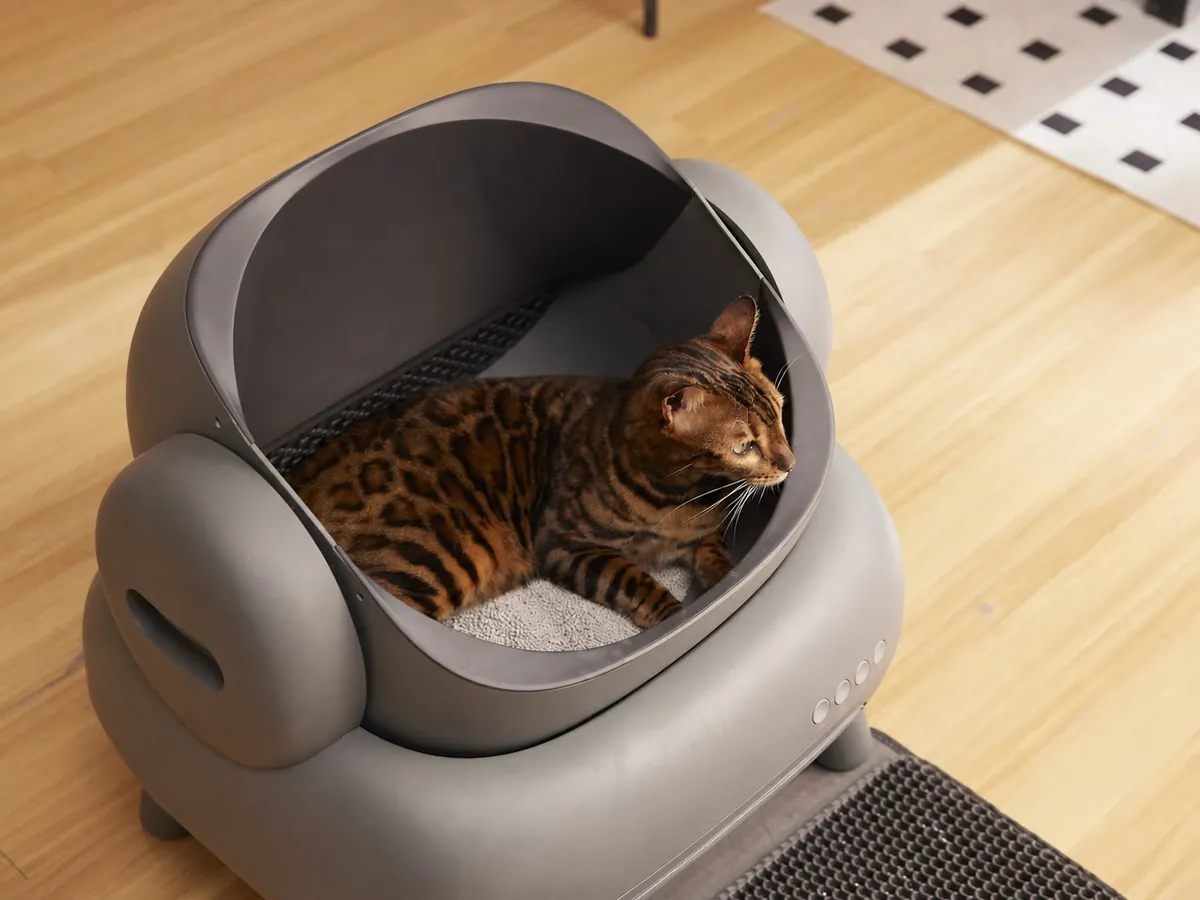
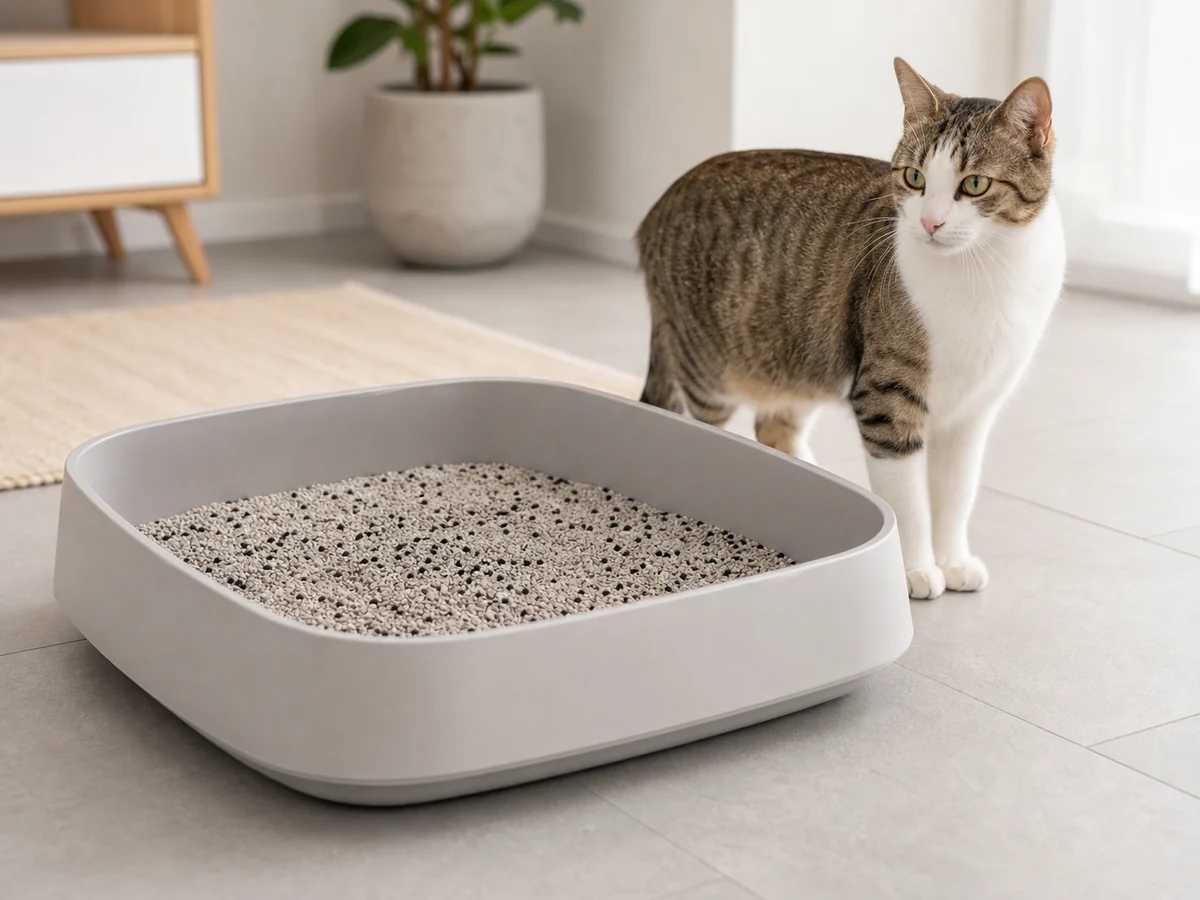
Role Of Activated Carbon
Activated carbon captures odor molecules and volatile organic compounds formed in the litter, supporting the odor-control performance of the formulation.
Particle size directly affects blend uniformity, dust, packaging and user experience. Carbon ratio and form should be determined through product trials with the main litter material.
Applications
An odor-adsorbing additive in clumping litter blends.
A particle-size-matched blend for pellet or granular formulations.
An odor-control component used with silica and other mineral carriers.
Suitable Form
For granular or pellet blends requiring lower dust and a visually distinct additive.
View Granular Product →For fine blends requiring uniform distribution and high contact area.
View Powdered Product →Final-product testing, including dust, ingestion risk and animal safety, must be completed by the manufacturer.
Share your process conditions; our technical team will help define the right form and test route.
FAQs
It traps ammonia and other odour molecules inside its pores, suppressing odour at the source — physically capturing molecules rather than masking them with perfume.
Small-grain granular activated carbon is typically mixed in; 95% Ball-Pan hardness keeps dusting low.
Produced from 100% hazelnut shells by chemical-free steam activation, with max. 3% ash for high purity.