
01 · Macro> 50 nm
Transport Channels
The widest pores at the granule surface. Water or gas carries pollutants inward through them — gateways to the adsorption sites deep within.
Role Rapid access · flow
The architecture of a hazelnut shell activated carbon: from millimeter to nanometer, every pore has a purpose.
Scroll Down — Let's Descend Into The Granule Together.
The widest pores at the granule surface. Water or gas carries pollutants inward through them — gateways to the adsorption sites deep within.
Mid-scale voids branching through the pore walls. Large molecules like methylene blue are captured here — the indicator of mesopore capacity.
Sub-nanometer voids in the carbon matrix. Small molecules like iodine are caught by van der Waals forces; this is what the iodine number measures.
Products
Manufactured by Akarbon in Düzce, Turkey, from 100% hazelnut shells. Compare granular activated carbon (GAC) and powdered activated carbon (PAC), then review our technical data sheets to choose a grade for your application.
 Granular
Produced in the 0–10 mm range, sizeable to your requirement with our crusher.
 Powder
Sub-150-micron particle size and high surface area for fast adsorption.


From the factory
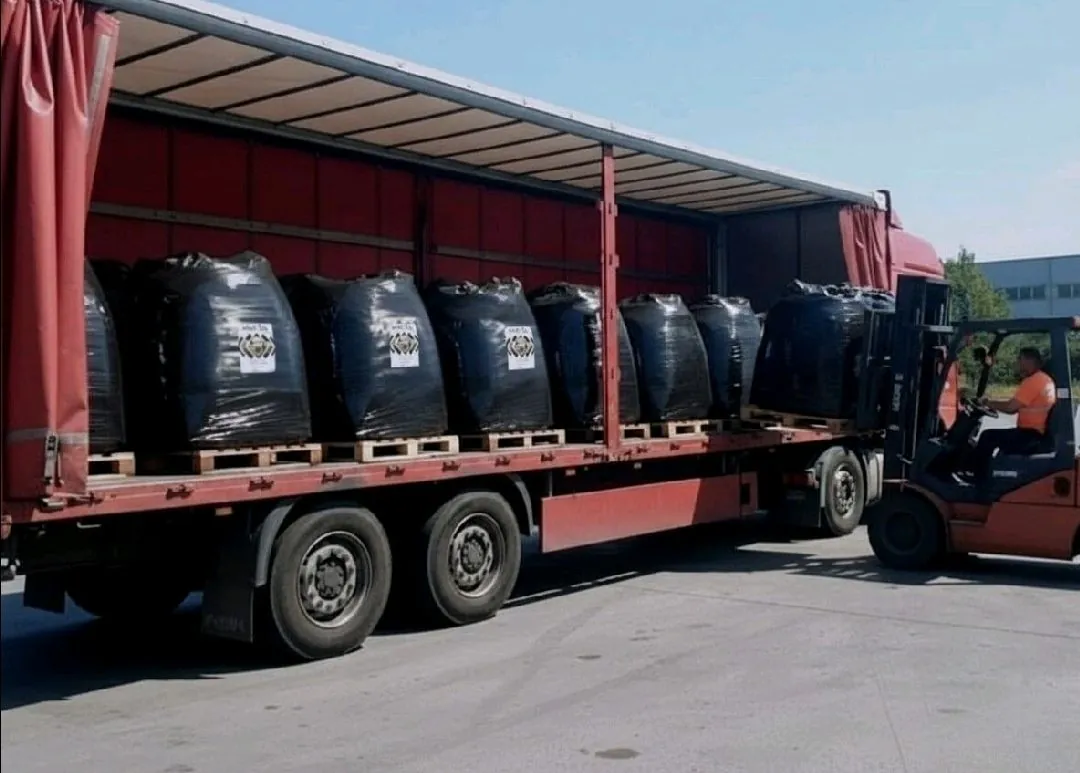
Every batch is tested to ASTM standards in our own lab and leaves the line only when it matches the previous one. Feedstock: 100% hazelnut shell. Patent NO: 2012/02871 B.
Read our story




Applications



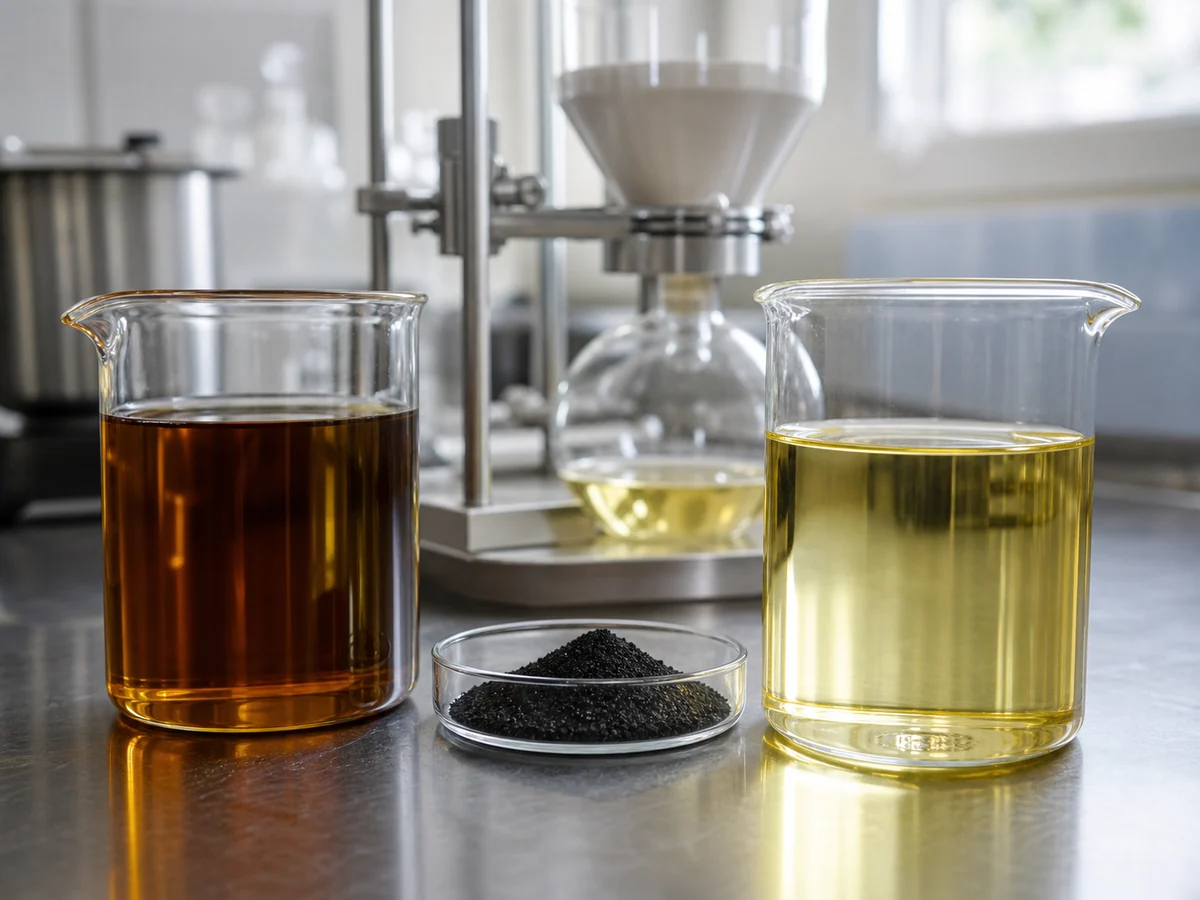
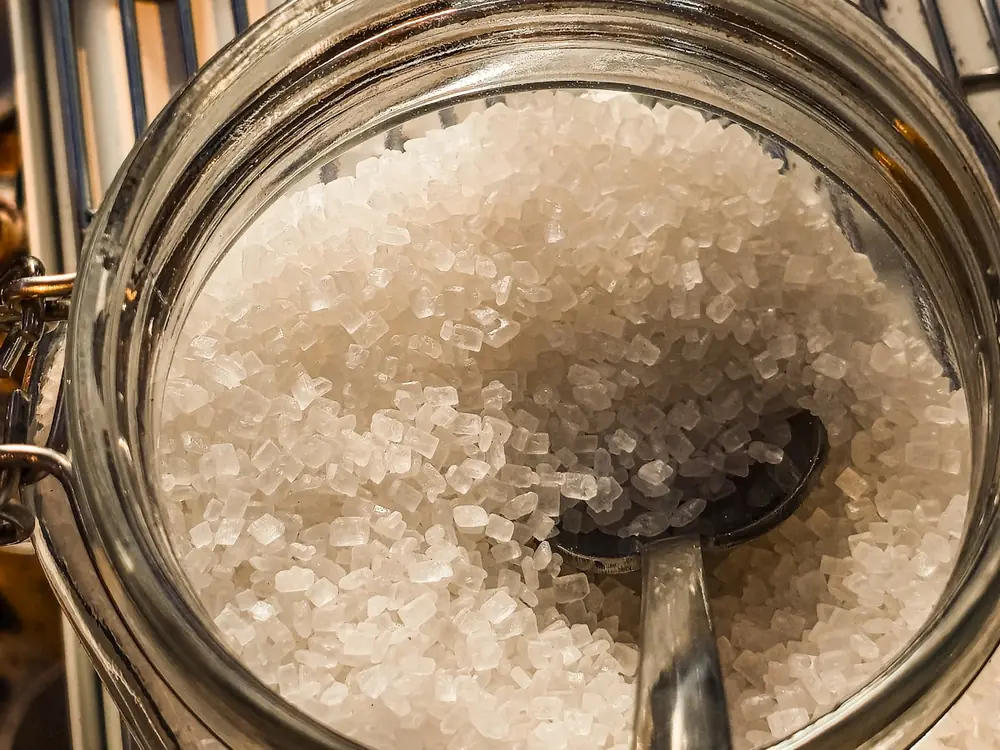
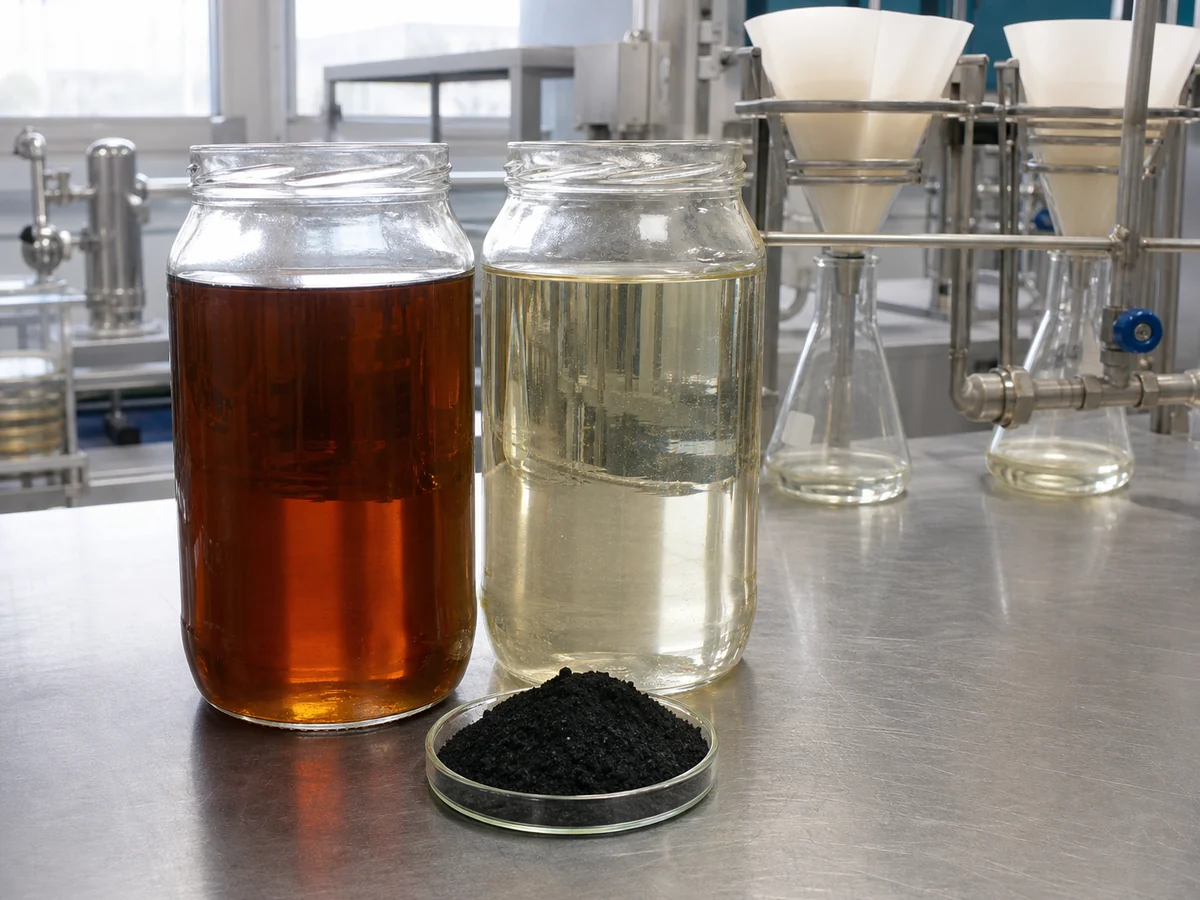
Decolorization and purification in edible oil, sugar and beverage processes.
View Application


We respond to messages within 2 hours.